Food brands have to take pricing seriously. Packaging costs affect margins, and procurement teams need suppliers that can stay competitive. But the lowest quote isn’t always the strongest long-term value.
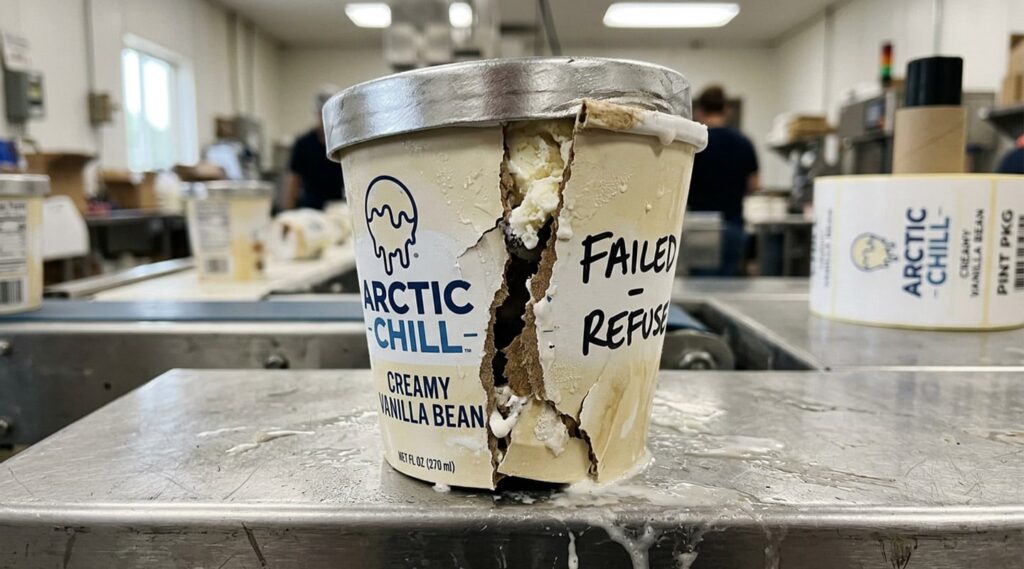
A lower unit cost can quickly add up if the supplier causes delays, requires constant follow-up, delivers inconsistent quality, or lacks the technical support to solve issues fast. Those problems can lead to waste, rework, missed launch windows, production slowdowns, and added pressure across procurement, packaging, operations, and brand teams.
Packaging may look simple from the outside, but it has a critical job to do. A cup, lid, or container must protect the product, run well through production, hold up during handling and distribution, and represent the brand well in the consumer’s hands.
And when packaging doesn’t arrive on time, is inconsistent, or doesn’t meet real production needs, the cost can extend beyond the initial purchase price.
The better question isn’t, “Who can make this for less?” It’s, “Who can help us protect total cost, quality, timing, and performance over time?”
Look at the Full Cost of Supplier Friction
Some packaging suppliers look competitive on paper but become difficult to manage once the relationship begins.
Communication could be slow. Small issues might take too long to resolve. Internal teams may wind up needing to chase updates or troubleshoot problems that really should have been addressed earlier.
And what happens if packaging is late, incomplete, or subpar? It comes right back around to your procurement department and may even have ripple effects across other teams. Operations has to adjust schedules, marketing starts to stress about appearance or consistency, and sales fails to meet customer commitments or seasonal demand with a great product.
A strong supplier should make the entire process easier through clear communication, reliable delivery, responsive problem-solving, and the flexibility to support changing needs without turning every adjustment into a setback.
Every supplier relationship has a learning curve, but recurring problems shouldn’t be part of doing business. If your team spends more time chasing updates than moving projects forward, the initial savings can disappear quickly.
Watch for signs like:
- Slow or unclear communication
- Unreliable lead times
- Inconsistent quality across orders
- Limited technical support
- Too many outside handoffs
- Difficulty adapting to changes
- Inability to meet urgent needs
Compare Capabilities, Not Just Containers
Can a supplier produce the container you need? And can they support the full path from concept to production?
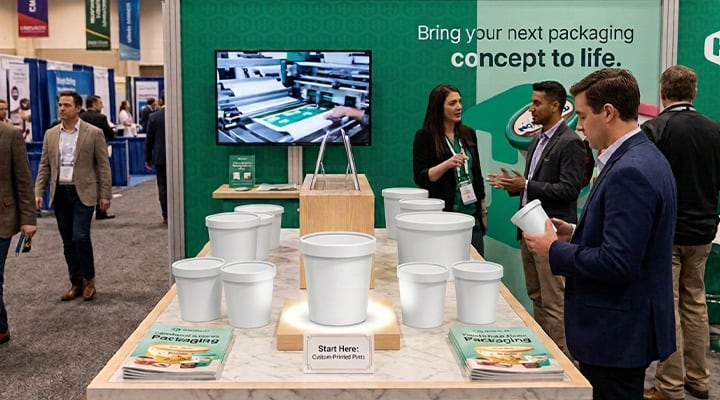
When sizing up packaging providers, ask questions to learn more about their capabilities across the entire packaging development process. See what insights you can dig up on how they handle prototypes; what their engineering, pre-press, and printing support is like; and how they simplify production planning.
These competencies become especially critical when your brand is launching a new product or product line, refreshing a design, scaling into new formats, or solving a packaging challenge that doesn’t fit a standard catalog option.
If more of this support is handled in-house at the provider, there are fewer handoffs and more control over timing, quality, and consistency. Your team can move from idea to prototype to production with better visibility and less outside dependencies.
Of course, not every packaging project will be completely custom in so many ways. But it’s a big advantage to have an experienced vendor at your side who understands how design, materials, tooling, production, and brand presentation are all interconnected.
Make Reliability Part of the Value Equation
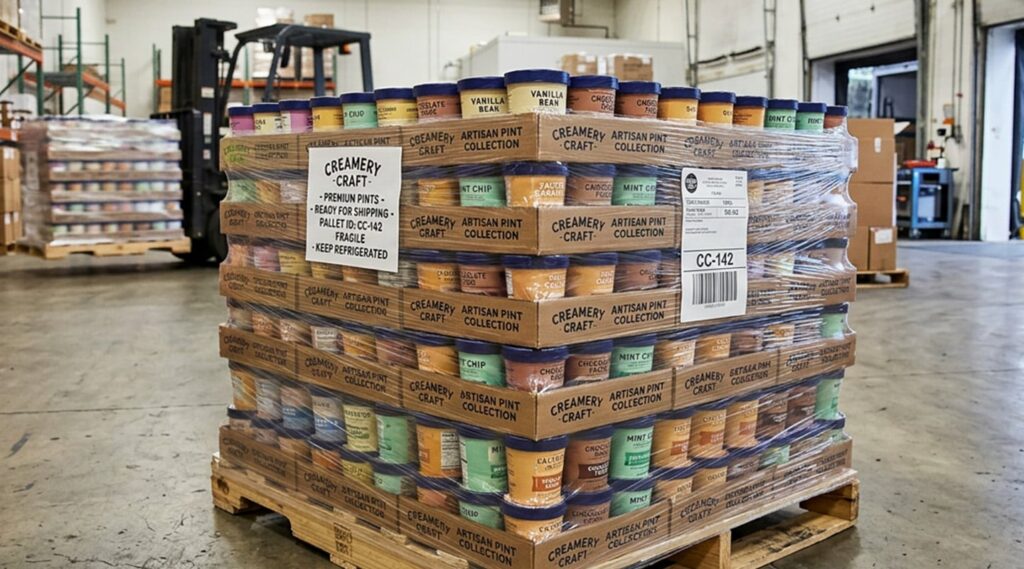
Packaging availability affects everything downstream. If cups, lids, or containers aren’t ready when production needs them, the consequences can be immediate.
PMMI’s 2025 packaging line readiness report found that productivity ranks as the number one priority among surveyed CPGs and industry suppliers. Packaging delays, inconsistent supply, or last-minute supplier issues can put that priority at risk.1
Reliable suppliers understand that on-time delivery isn’t just a service metric. It’s part of how food brands protect production schedules, customer commitments, marketing timelines, and the overall integrity of the brand itself.
Supplier evaluations should include questions like:
- What are your standard lead times?
- How do you handle rush orders or urgent changes?
- What production capacity do you have available?
- How do you communicate delays, updates, or forecast changes?
- What delivery performance can we expect over time?
The answers here are important because food production doesn’t pause while supplier issues get resolved. A dependable packaging partner helps teams stay ahead instead of playing catch-up.
Choose a Supplier Built for Long-Term Partnership
Packaging needs don’t always stay the same. Food brands introduce new flavors, adjust container sizes, refresh graphics, enter new channels, and expand into new markets. A supplier that worked for one order in the past might not be the right partner for long-term growth.
The need for flexibility isn’t theoretical. Deloitte’s 2025 food and beverage supply chain planning research identifies planning, adaptability, and resilience as major issues shaping the sector.2
A transactional supplier may be able to fill a short-term need, but a strategic partner can help teams think ahead, improve performance, support new product efforts, and adapt packaging as the business evolves.
The right partner learns your business over time. They understand your production environment, anticipate upcoming needs, and help solve packaging questions before they become production problems.
For growth-stage brands, that may mean hands-on guidance, flexible development, and support as production becomes more complex. For established brands, it may mean consistency, scale, responsiveness, and the ability to support larger programs across product lines.
The Best Value Protects More Than Price
Price will always matter in packaging decisions, but the strongest supplier relationships are built on more than a quote.
Make sure you’re on the lookout for a packaging partner that brings:
- Practical expertise across design, materials, tooling, and production
- Responsive support when timelines shift or issues come up
- Consistent production quality across orders and runs
- Reliable delivery that helps protect production schedules
- In-house capabilities that reduce handoffs and improve control
- A problem-solving mindset that supports current needs and future growth
If your team is evaluating your current packaging supplier or looking for a new option, Double H Packaging fits the bill. We’re proud to offer hands-on support, in-house capabilities, and reliable paperboard and plastic container solutions built around the realities of food manufacturing.
Contact us to discuss your packaging needs and see how Double H Packaging can support your next project.
Sources:
1. Productivity Ranks as Number One Priority for CPGs & Industry Suppliers According to New PMMI Report, PMMI
2. 2025 Food & Beverage Insight Series, Deloitte