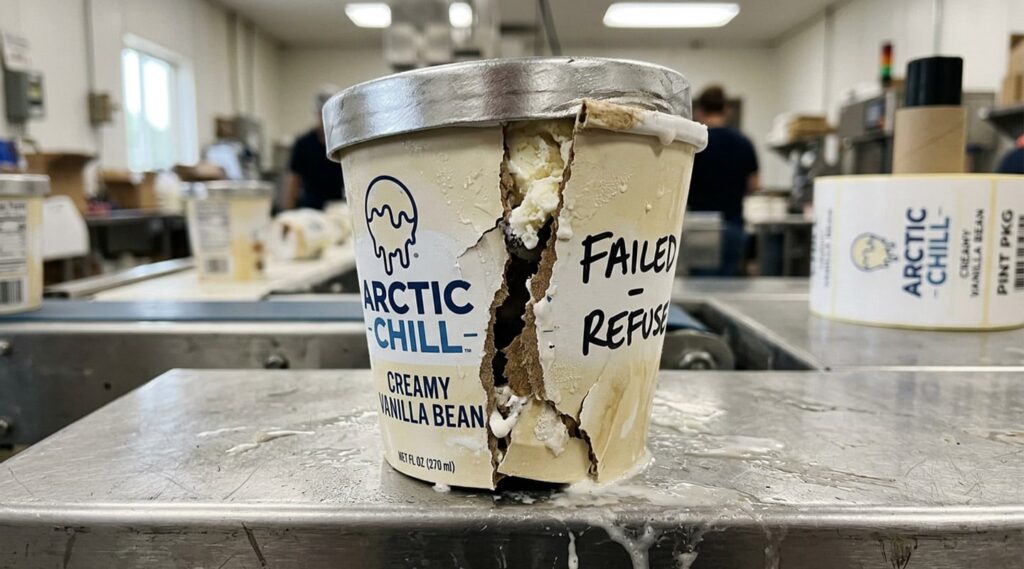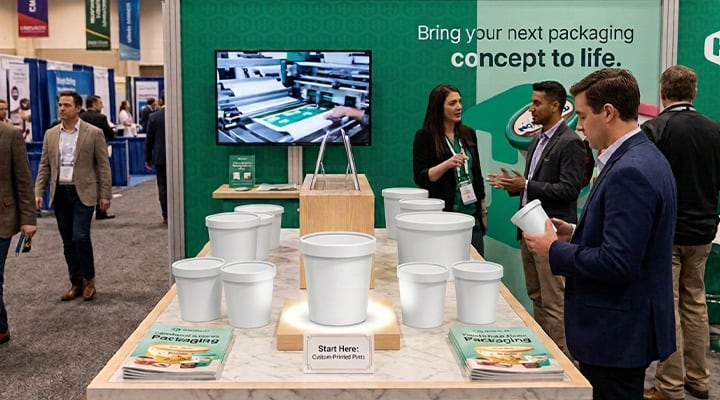
For many food brands, packaging is treated as a purchasing, production, or branding decision. Extended Producer Responsibility (EPR) adds another layer.
EPR is a policy approach that assigns producers responsibility for products after use. In packaging, that can include financial responsibility, reporting obligations, and participation in a producer responsibility organization, or PRO. GreenBlue’s Sustainable Packaging Coalition describes EPR as a system that can require producers to fund or help manage the end-of-life handling of covered products, including collection, sorting, and processing.1
For food brands, the important detail is that “producer” doesn’t always mean the company manufacturing the cup, lid, or container. Depending on the state and how the law is written, responsibility may fall to the brand owner, importer, distributor, retailer, or another entity placing packaged goods into the market.
That makes EPR worth understanding for brands selling frozen desserts, cereals, refrigerated foods, snacks, baked goods, pet food, on-the-go formats, and other packaged food products.
EPR Is Moving from Policy Topic to Business Requirement
Packaging EPR has gained real traction in the United States. GreenBlue’s EPR guide notes that seven EPR for packaging bills have passed in the US, with six states introducing packaging EPR legislation in 2026.1
The details vary by state, but the basic idea is similar: Producers help fund the systems that manage packaging after consumers use it. In many packaging EPR programs, producers join a PRO, pay fees, and report packaging data tied to the materials they place on the market.¹
For a food brand, this can turn packaging into a data and compliance issue. A package is no longer only evaluated by cost, appearance, performance, and availability. Brands may also need to understand material composition, weights, formats, recyclability claims, state-specific requirements, and where the product is sold.
You don’t need to redesign every package, but you might need to make packaging decisions with closer coordination across procurement, sustainability, legal, finance, marketing, and operations.
A Closer Look at the “Producer” Definition
Packaging manufacturers don’t always carry the full EPR responsibility with these laws.
The producer definition can vary by state. In some cases, the responsible party is the brand owner. In others, it may be the importer, distributor, retailer, or another company connected to placing packaged products into that state’s market.
For food brands selling across multiple states, who is responsible for the package once it reaches the consumer?
A regional ice cream brand, a national cereal company, a refrigerated food manufacturer, and a private-label snack supplier may all face different obligations based on how products are branded, distributed, and sold. And again, the answer can change from state to state.
Internal ownership is important. EPR is not only a sustainability topic. Procurement might need supplier data, finance may need to forecast fees, legal might have to confirm obligations. Marketing may need to review environmental claims, or operations access to accurate SKU-level packaging information.
Packaging Data Is Becoming Part of Supplier Evaluation
Food brands already ask suppliers about cost, lead times, quality, production capabilities, and material options. But EPR adds another set of questions.
If your brand needs to report packaging details or prepare for future reporting, supplier documentation is critical. Material type, package weight, resin or paperboard details, decoration methods, recycled content, and format-specific information all become part of the conversation.
EPR programs commonly involve producer fees paid to a PRO, and GreenBlue notes that those fees are generally used to help cover costs tied to end-of-life management of covered products.1 That means the packaging choices made today can have more financial and reporting implications later.
Your food brand may want to ask suppliers these questions, especially as you manage more SKUs, more states, and more packaging formats:
- What material and weight data can you provide for each packaging component?
- How do you document changes to materials, sizes, or decoration methods?
- Can you support packaging evaluations across frozen, refrigerated, shelf-stable, or cold-fill applications?
- How do your capabilities support package adjustments if state requirements or customer goals change?
- Can your team help us understand tradeoffs between performance, branding, cost, and material choices?
EPR Doesn’t Mean Starting Over
Packaging changes can affect tooling, artwork, print quality, production planning, supplier timelines, product performance, and shelf presentation. A material change that looks simple on paper can create new questions for freezing, filling, stacking, moisture resistance, lid fit, decoration, or distribution.
A frozen dessert container has different performance demands than a dry oatmeal container. A pet food package creates different considerations than a single-serve snack cup. A refrigerated entrée may require a different balance of structure, graphics, and handling performance than a shelf-stable product.
EPR adds pressure to understand those tradeoffs with better data and clearer planning, but it shouldn’t send food brands into panic mode. For many companies, the near-term work is understanding exposure, gathering packaging data, and building stronger processes around material decisions. Redesigns may happen during planned refreshes, product launches, line extensions, or supplier reviews.
What Food Brands Should Discuss with Packaging Suppliers
Your packaging supplier is not a substitute for legal or regulatory counsel. But of course, the right supplier can help your team make more nuanced packaging decisions by sharing information about materials, production, decoration, tooling, and performance.
For food brands, useful supplier conversations may include:
- Material composition and package weights
- Recyclability and performance considerations
- Paperboard versus plastic container options
- How decoration affects material choices
- Production impacts of changing size, shape, or structure
- Documentation available for internal reporting
- Ways to plan future package changes around product launches or refresh cycles
A supplier with in-house prototyping, pre-press, and other production capabilities can help brands think through those packaging decisions to balance EPR considerations with production performance and shelf presentation.
Preparing for EPR doesn’t require dramatic packaging changes overnight. You just need to start gaining more visibility into what your company uses, where it goes, who is responsible, and what data they need to manage it.
What packaging do we place into each state? Who owns EPR reporting internally? What documentation do we have from suppliers? How easily can we update packaging if requirements, fees, customer needs, or retailer expectations change?
If you need help making sense of how EPR impacts your brand, Double H Packaging can start the conversation by being a transparent, collaborative container partner.
Contact us to learn more about our products and specialized services to simplify your next packaging project.
Sources: