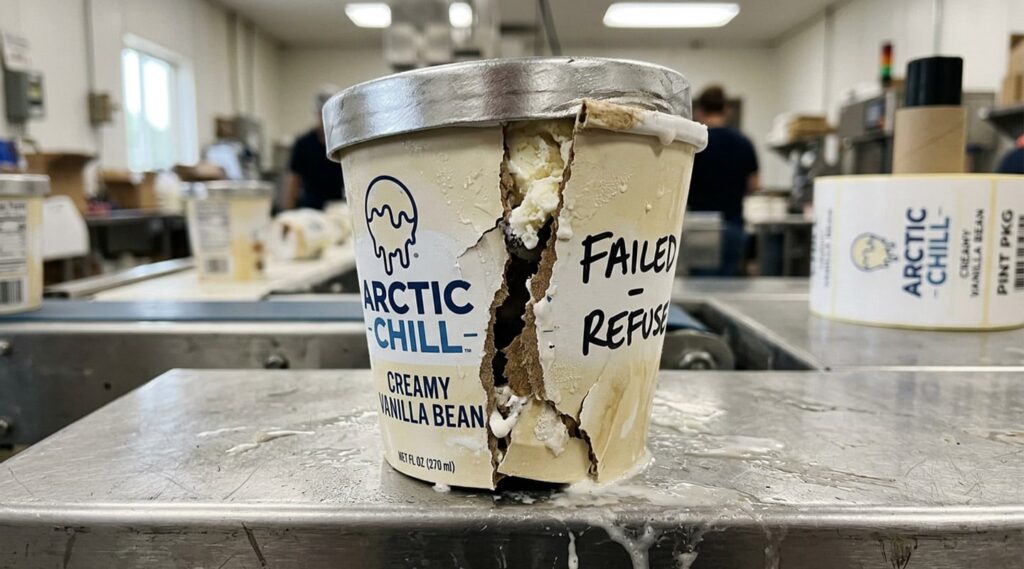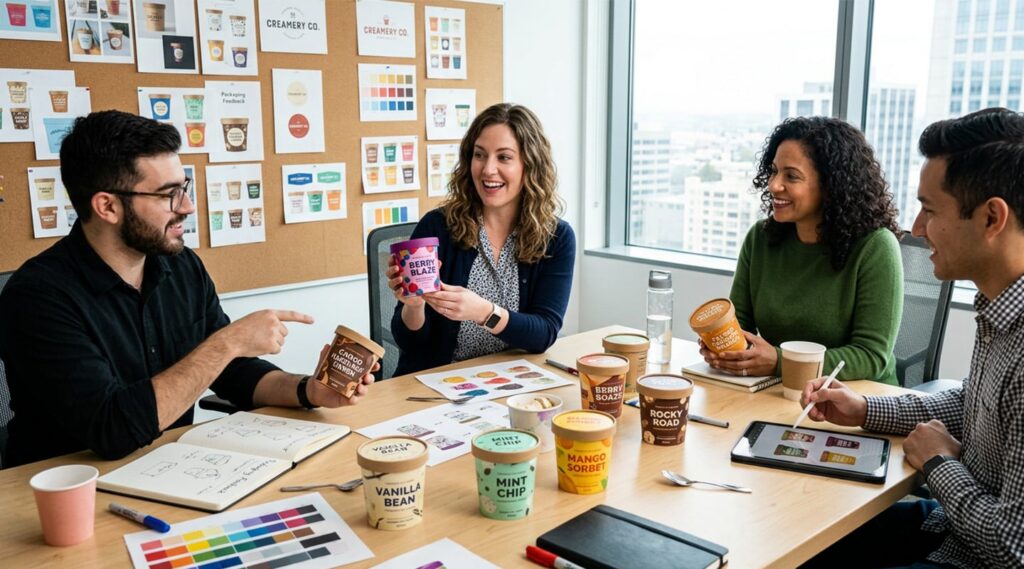
Marketing wants the logo larger. Regulatory needs space for required disclosures. Operations wants a package that runs efficiently on existing equipment. Then someone realizes there’s very little room left on the container.
Every package has a fixed amount of printable space. How that space is divided can affect branding, regulatory compliance, production, and even future product updates. That applies whether you’re packaging frozen desserts, cereals, refrigerated foods, snacks, baked goods, pet food, or any other consumable product.
Food labeling requirements are always being refined, and new proposals could require even more information from your containers. And consumers also expect greater transparency in terms of ingredients, nutritional value, brand beliefs, and product information. So how do you make room for it all without sacrificing your brand?
Understand what’s changing, how those developments affect package design, and what to consider before your next packaging project moves forward.
Food Labeling Is Entering Another Update Cycle
Food labeling is an active priority for the FDA. On June 29, 2026, the agency released its updated Human Foods Program Guidance Agenda, identifying several labeling-related topics it still plans to address in the near future.1
New guidance under development includes caffeine content labeling for foods and beverages, questions and answers surrounding the use of the “Healthy” claim, and updates to food product categories used in food facility registrations.1
These announcements don’t create legally enforceable requirements on their own, but they do give us insight into where the FDA is focusing its attention. Combined with the agency’s proposed Front-of-Package Nutrition Information rule, they reinforce the importance of packaging that can accommodate changing labeling expectations.2
Most food brands won’t redesign packaging every time new guidance or a proposed rule is announced. Those updates are incorporated during planned package refreshes, product launches, line extensions, artwork revisions, or other changes already on the calendar. But leaving enough flexibility in today’s package can make those future updates much easier to manage.
Every Square Inch of a Container Has a Job
Food packaging has never been just a container. It communicates your brand, helps consumers identify your product, and provides information required for purchase and safe use.
But nutrition Facts panels, ingredient statements, allergen disclosures, product identity, UPCs, storage instructions, lot codes, preparation instructions, and QR codes all compete for the same printable space as logos, product photography, flavor callouts, and marketing claims.
If additional labeling requirements are introduced in the future, that information has to fit somewhere. For many food brands, the question isn’t whether they can fit another element onto the package. It’s how to do it without sacrificing readability, shelf appeal, or production efficiency.
Packaging decisions also have a ripple effect across the business. Tweaking a label can influence artwork approvals, regulatory review, inventory planning, production scheduling, and launch timelines. When those considerations are addressed together, teams spend less time revisiting decisions later in the project.
And consumers should still be able to review product information quickly, recognize your brand at a glance, and understand the value or purpose of the product they’re buying.
When embarking on new packaging projects, it’s worth asking questions like:
- Does the package have printable space for current and future labeling needs?
- Will required information still be easy to read after printing?
- Can branding stay consistent without competing with required disclosures?
- Does the package support frozen, refrigerated, shelf-stable, or cold-fill applications?
- Can artwork be updated without redesigning the entire package?
Bring Packaging into the Conversation Earlier
One way to simplify the compliance and pretty packaging problem is to consult more closely with your container vendor.
Container dimensions, materials, decoration methods, engineering, tooling, and manufacturing all influence how much flexibility a package offers as labeling requirements, branding, and product lines change over time.
Early collaboration isn’t just selecting a container size. It’s a chance to think about printable area, decoration methods, material selection, engineering requirements, and how future artwork revisions could affect production. Those conversations are much easier before tooling is complete and packaging enters production.
Bringing your packaging manufacturer into product planning earlier gives everyone involved a better picture of available options. Marketing, regulatory, operations, procurement, and production teams can consider tradeoffs together instead of making adjustments after big decisions have already been made.
Manufacturers like Double H Packaging who have in-house engineering, prototyping, tooling, mold-making, pre-press, and production capabilities can also ease development worries by keeping more of the project under one roof.
Brand Identity & Compliance Can Work Together
Food brands shouldn’t have to choose between a container that represents their products well and one that satisfies labeling needs. So don’t treat branding, regulatory review, and manufacturing as separate workstreams.
Account for all three together so packages can support production, communicate clearly, and remain adaptable as products and requirements change.
This is essential for brands managing multiple SKUs across flavors, package sizes, seasonal promotions, retailer-specific products, and line extensions. A relatively small labeling update can affect dozens of packages across an entire portfolio. Planning for flexibility helps reduce the amount of work required when those updates come.
If your team needs smarter packaging for frozen desserts, cereals, refrigerated foods, snacks, baked goods, pet food, or another food application, Double H Packaging can help. We work with food brands to develop paperboard and plastic containers that support production, strong brand presentation, and practical package design.
Contact us for more details on our full range of capabilities and our experience with container design and decoration, and how labeling fits into it all.
Sources:
1. FDA Releases 2026 Human Foods Program Guidance Agenda, FDA
2. Food Labeling: Front-of-Package Nutrition Information, FDA & Federal Register