Food packaging projects involve more moving parts than they used to. A change to one part of a container can prompt a change in production, branding, sustainability initiatives, regulatory planning, transportation, and the consumer experience.
At the same time, product portfolios are expanding with new flavors, seasonal offerings, retailer-exclusive products, and single-serve formats, giving brands even more variables to manage and more micro-trends to capitalize on and keep customers interested.
Some of the biggest developments in packaging aren’t coming from one breakthrough material or manufacturing technology. They’re showing up in how food brands evaluate packaging projects, collaborate with suppliers, and prepare for future requirements.
Take a closer look at the packaging trends shaping how food brands approach design, production, and long-term planning.
Convenience Is Shaping Container Design
Convenience still plays a major role in food packaging, but the definition has expanded.
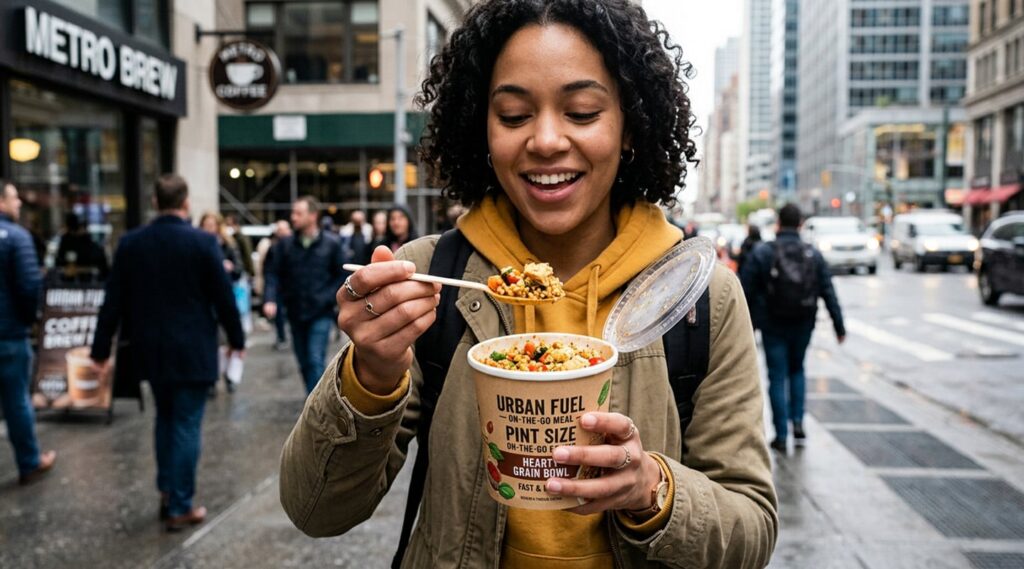
Many people aren’t eating around the traditional three-meal schedule of breakfast, lunch, and dinner. Busy workdays, hybrid schedules, commuting, after-school activities, and households where both adults work have changed when and how people eat.
For many families, time has become one of the most limited resources, fueling continued demand for single-serve portions, grab-and-go products, snackable foods, and ready-to-eat meals.
Research from Purdue University’s Center for Food Demand Analysis and Sustainability found that cost has also been the biggest barrier to healthy eating, followed by confusion about which foods are actually healthy and a lack of time to prepare meals.1 Those realities continue driving demand for convenient food options that fit busy schedules without requiring lots of prep.
And the new norms influence the types of containers food brands choose to invest in. Packages need to be easy to carry, fit comfortably into car cupholders, backpacks, or lunch bags, and hold up through transportation without compromising product quality. They also need to perform efficiently during filling, stacking, freezing, storage, and distribution.
Convenience creates an interesting balancing act. Consumers want packaging that’s portable and easy to use, but many of those same consumers also expect recyclable materials, reduced waste, and greater sustainability. Food brands are working to satisfy both expectations at once, which continues driving innovation across paperboard and plastic container design.
Consumers Are Paying Closer Attention
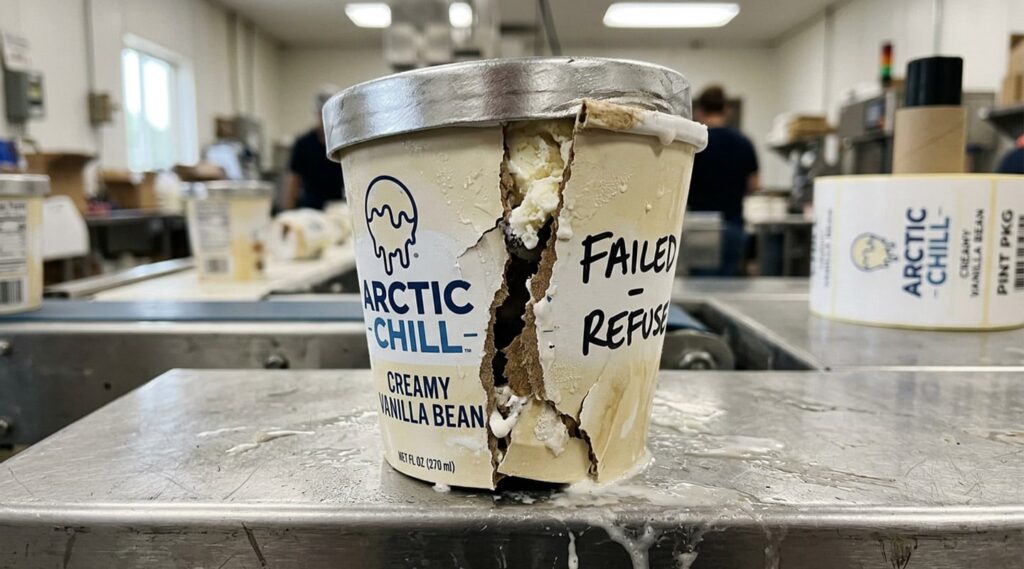
Food packaging used to be something most consumers noticed only when it failed. But today, it’s becoming part of the buying decision.
Short-form videos on TikTok, Instagram, and YouTube regularly scrutinize ingredient lists, discuss food additives, question PFAS and other packaging materials, and compare products based on everything from nutrition to sustainability claims.
Consumers can now quickly compare ingredients, nutrition information, packaging materials, and brand claims within minutes, whether they’re standing in a grocery aisle, scrolling social media at home, or asking Amazon’s AI shopping assistant, Alexa for Shopping.
But they’re also sorting through an overwhelming amount of conflicting advice, opinions, and viral content. It’s easier to research products but also harder to separate evidence-based information from scare tactics farming for clicks. Even so, many are using that information to guide purchasing decisions.
Not every shopper is studying labels, but food brands should expect more questions about the products they sell and the packaging surrounding them. Clear labeling, thoughtful package design, and credible sustainability claims all contribute to consumer confidence, especially as expectations around transparency escalate.
Sustainability Is Becoming More Complex
Sustainability has been a hot topic in the packaging industry for years, but getting it right has become much more nuanced than choosing one material over another.
Brands are considering recycled content, recyclability, Extended Producer Responsibility requirements, transportation efficiency, product protection, food waste, and manufacturing considerations alongside their sustainability goals. They’re also looking at post-consumer recycled (PCR) content as a way to work toward recycled-content commitments and reduce EPR fees.1
In some applications, these priorities naturally align. In others, they require careful tradeoffs based on the product, distribution environment, and consumer expectations.
Innovation is also expanding beyond traditional paperboard and plastic packaging. Across the industry, manufacturers like Double H Packaging are investing in biodegradable materials, alternative fiber-based solutions, and new container technologies designed to reduce environmental impact while maintaining the performance food products require.
Although these solutions are still developing for many applications, they represent one area packaging companies are actively exploring as customer expectations and regulations change.
Regulatory Planning Is Happening Earlier
Packaging is becoming part of product planning much sooner than it used to be. Food brands are reviewing regulatory developments while products, graphics, and container specifications are still being developed, giving teams more opportunities to evaluate packaging before key decisions are locked in.
Recent activity surrounding Extended Producer Responsibility (EPR) programs, the FDA’s proposed Front-of-Package Nutrition Information rule, and new FDA guidance under development has reinforced that approach.
So with more planning happening upfront, teams can evaluate how future requirements could influence container design, printable space, material selection, and product labeling before artwork is approved and production schedules are in place.
That extra planning time gives brands more options. It can reduce unnecessary revisions, preserve packaging consistency across product lines, and make it easier to incorporate new requirements as products, labels, and packaging develop.
Looking Past the Headlines
The packaging industry never runs short on headlines, predictions, or new ideas. But which developments are likely to influence your real packaging decisions over the next few years? That’s something for the innovators on your team or your container supplier.
Keeping an eye on those larger patterns can help you make smarter investments, ask better questions, and avoid treating every new trend like an immediate priority.
Many of the trends discussed here have one thing in common: they ask more from the same package. The container still has to protect the product, perform on the production line, represent the brand well, and meet cost expectations. Now it’s also expected to fit in new labeling requirements, become more sustainable, fit changing consumer habits, and leave room for whatever comes next.
That’s a lot to ask from one package, which is exactly why packaging decisions deserve more attention early in the product development process.
Contact us to discuss your packaging goals, explore our capabilities, and see how we can support your next container project.
Sources: